
Artificial intelligence has revolutionized the world of photography, and AI photo generators are at the forefront of this exciting transformation. These cutting-edge tools are empowering artists, designers, and everyday users to create stunning visuals with just a few clicks.
From turning text descriptions into lifelike images to enhancing low-quality photos, AI photo generators are pushing the boundaries of what’s possible in digital imagery. They’re not just tools; they’re gateways to unleashing creativity and bringing imagination to life. As these technologies continue to evolve, they’re opening up new realms of artistic expression and visual communication.
What Is an AI Photo Generator?
AI photo generators are cutting-edge tools that harness the power of artificial intelligence to create, edit, and enhance images. These revolutionary systems utilize complex algorithms and machine learning techniques to produce stunning visuals from textual descriptions or transform existing images in ways previously unimaginable.
Unlike traditional stock photo services like Getty Images or Adobe Stock Photos, AI photo generators create unique, original images on demand. They offer an exciting alternative for artists, designers, and content creators who seek fresh, customizable visuals without the limitations of pre-existing photo libraries.
AI photo generators excel at:
- Transforming text descriptions into vivid images
- Enhancing low-resolution photos to crystal-clear quality
- Generating diverse variations of existing images
- Creating fantastical scenes that defy reality
- Seamlessly blending multiple image styles
These innovative tools open up a world of possibilities for visual content creation, allowing users to bring their wildest imaginings to life with unprecedented ease and speed. As AI technology continues to advance, the capabilities of these photo generators are expanding rapidly, revolutionizing the way we approach digital imagery and artistic expression.
How AI Photo Generators Work
AI photo generators operate through a series of sophisticated steps, harnessing the power of machine learning and neural networks to create stunning visuals:
- Data Collection and Training
AI models ingest vast datasets of images, learning patterns, styles, and compositions from millions of examples. This process enables the AI to understand visual elements and their relationships. - Input Processing
Users provide prompts or seed images to the AI. Text descriptions are analyzed for key concepts, while seed images are broken down into essential components. - Image Synthesis
The AI utilizes generative adversarial networks (GANs) or diffusion models to construct new images based on the input. It combines learned patterns and styles to create coherent visuals. - Iterative Refinement
Multiple iterations refine the generated image, adjusting details, colors, and compositions to match the user’s intent more closely. - Style Transfer and Enhancement
Advanced AI photo generators apply specific artistic styles or enhance image quality, mimicking techniques like those found in traditional photography or digital art. - Output Generation
The final image is produced, often with options for further customization or variation generation.
This process revolutionizes image creation, offering an exciting alternative to conventional stock photo services like Getty Images or Adobe Stock Photos. AI generators provide unlimited, unique visuals tailored to specific needs, expanding creative possibilities beyond pre-existing image libraries.
Factors to Consider When Choosing the Best AI Photo Generator

Image Quality and Accuracy
AI photo generators produce images of varying quality and accuracy. Top-tier generators create high-resolution visuals with lifelike details and textures. They accurately interpret text prompts and generate images that closely match the described concepts. Advanced AI models excel at rendering complex scenes coherently while maintaining visual consistency across elements.
Ease of Use
User-friendly interfaces enhance the experience of working with AI photo generators. Intuitive platforms allow users to input text prompts effortlessly and adjust parameters with minimal learning curve. The best generators offer clear instructions streamlined workflows and responsive controls for efficient image creation. Some provide pre-set templates or guided modes to assist beginners in producing quality results quickly.
Customization Options
Robust customization features empower users to fine-tune generated images. Advanced AI photo generators offer granular control over aspects like composition lighting style and color palette. They allow users to specify detailed attributes for characters objects and environments. The ability to iterate on results and make precise adjustments ensures the final output aligns closely with the user’s vision.
Commercial Usage Rights
Understanding the licensing terms for AI-generated images is crucial for commercial applications. Some AI photo generators grant full commercial rights allowing unrestricted use of created images in marketing materials and products. Others may have limitations or require additional licensing for commercial purposes. Users should carefully review the terms to ensure compliance and avoid potential legal issues when using AI-generated visuals for business purposes.
Cost and Pricing Models
AI photo generators offer various pricing structures to accommodate different needs and budgets. Options range from free tiers with limited features to premium subscriptions with advanced capabilities. Some platforms charge per image generated while others provide unlimited generations within a subscription period. Users should evaluate their usage requirements and compare pricing models to find the most cost-effective solution for their specific needs.
Top AI Photo Generators Compared

AI photo generators have revolutionized image creation, offering unique alternatives to traditional stock photo services. Let’s compare some of the top AI photo generators based on specific use cases and features.
Best for Beginners
DALL-E 2 stands out as the go-to choice for newcomers to AI image generation. Its intuitive interface and straightforward prompting system make it easy for beginners to create stunning visuals without extensive technical knowledge. DALL-E 2 offers a user-friendly experience with:
- Simple text-to-image conversion
- Guided tutorials for prompt creation
- Built-in editing tools for refining generated images
- Diverse style options for experimentation
Best for Professional Results
Midjourney excels in producing high-quality, photorealistic images suitable for professional use. Its advanced algorithms generate visuals that rival those found on premium stock photo sites like Getty Images. Midjourney’s strengths include:
- Exceptional detail and texture rendering
- Sophisticated lighting and shadow effects
- Ability to create complex, multi-element compositions
- High-resolution output for print and digital media
Best for Text-to-Image Accuracy
Stable Diffusion leads the pack in translating detailed text descriptions into precise visual representations. Its advanced natural language processing capabilities ensure that generated images closely match user prompts. Stable Diffusion offers:
- Highly accurate interpretation of complex prompts
- Consistency in generating specific styles or themes
- Fine-grained control over image elements
- Ability to maintain brand-specific visual guidelines
- Extensive customization options for color, composition, and style
- Integration with Adobe Creative Cloud applications
- Tools for blending AI-generated elements with existing images
- Options to generate variations based on specific attributes
How to Use an AI Photo Generator Effectively

Writing Effective Prompts
Crafting precise prompts unlocks the full potential of AI photo generators. Start with clear, descriptive language that specifies the subject, setting, and mood. Include details like lighting, color palette, and artistic style to guide the AI. For example, instead of “a cat,” try “a fluffy orange tabby cat basking in warm sunlight on a windowsill, with a cozy living room visible in the background.” Experiment with different phrasings and word choices to refine results.
Refining and Iterating Results
AI-generated images often require fine-tuning to achieve the desired outcome. Analyze initial results and adjust prompts accordingly. Add or remove elements, modify descriptors, or experiment with different style references. Many AI photo generators offer features like inpainting or outpainting to edit specific areas of the image. Utilize these tools to refine details, adjust compositions, or expand the canvas. Iterative refinement often leads to stunning visuals that surpass traditional stock photo offerings from platforms like Getty Images or Adobe Stock Photos.
Tips for Composition and Detail
Enhance AI-generated images by focusing on composition and detail:
- Use the rule of thirds to create balanced compositions
- Specify focal points to draw attention to key elements
- Incorporate depth by mentioning foreground, middle ground, and background
- Request specific textures and materials for added realism
- Include lighting directions and types for dramatic effects
- Mention reflections or shadows to ground objects in the scene
By applying these techniques, users can create unique, high-quality visuals that rival or exceed those found in traditional stock photo libraries, offering a fresh alternative to Getty Images and Adobe Stock Photos.
Ethical and Legal Considerations
Copyright Issues
AI photo generators revolutionize image creation but raise complex copyright questions. Unlike traditional stock photo services like Getty Images or Adobe Stock Photos, AI-generated images blur the lines of ownership and attribution. Users must understand:
- Ownership ambiguity: AI-generated images may not have clear copyright holders, as they’re created by algorithms trained on vast datasets.
- Potential infringement: Images produced by AI might inadvertently replicate copyrighted elements from training data.
- Licensing complexity: Each AI platform has unique terms of service that dictate how users can utilize generated images commercially.
- Fair use limitations: The application of fair use doctrine to AI-generated content remains a gray area in copyright law.
Users should thoroughly review platform policies and consult legal experts when using AI-generated images for commercial purposes to avoid potential copyright disputes.
Proper Disclosure of AI-Generated Images
Transparency about the origin of AI-generated images is crucial for maintaining ethical standards and building trust. Users should:
- Clearly label AI content: Indicate when images are AI-generated in publications, social media posts, or commercial materials.
- Provide platform attribution: Mention the specific AI tool used to create the image, such as DALL-E 2 or Midjourney.
- Disclose editing: If AI-generated images are further modified, acknowledge both the AI generation and subsequent edits.
- Respect platform guidelines: Follow disclosure requirements set by AI photo generator platforms.
- Educate audiences: Help viewers understand the capabilities and limitations of AI-generated imagery.
By adopting these practices, users can harness the creative potential of AI photo generators while upholding ethical standards and fostering transparency in visual content creation.
Troubleshooting Common Issues
Image Quality Problems
Blurry or pixelated images often result from insufficient input detail. Users should provide more specific prompts with vivid descriptions of textures colors and compositions. Experimenting with different resolution settings and upscaling techniques can also enhance image clarity.
Unexpected or Inaccurate Results
When AI-generated images don’t match expectations users should refine their prompts. Adding qualifiers like “photorealistic” “high-quality” or “detailed” can improve output. Users can also try breaking complex prompts into simpler components for more accurate results.
Limited Style Options
Some AI generators struggle with specific artistic styles. Users facing this issue can explore style transfer techniques or seek alternative platforms specializing in their desired aesthetic. Combining multiple generators’ outputs can also yield unique stylistic results.
Watermarks or Unwanted Elements
Persistent watermarks or logos in generated images may indicate copyright issues. Users should verify the AI model’s training data and ensure they’re not inadvertently recreating copyrighted content from sources like Getty Images or Adobe Stock Photos.
Generation Speed Issues
Slow image generation often stems from high server load or limited computational resources. Users can try off-peak hours for faster results or consider upgrading to premium services for priority processing.
Inconsistent Results Across Sessions
AI models occasionally produce varying results for identical prompts. Users should save successful prompts and generated images for future reference. Some platforms offer seed values to reproduce specific outputs consistently.
Difficulty with Text Integration
When struggling to incorporate text into generated images users can try text-specific prompts or use post-processing tools. Some AI generators excel at creating images with integrated text while others may require manual editing.
Color Accuracy Problems
To address color discrepancies users should use precise color descriptions in their prompts. Specifying exact hex codes or using universally recognized color names can improve accuracy. Post-generation color correction tools can also help achieve desired palettes.
Future of AI Photo Generation
AI photo generation technology is poised for explosive growth, promising to revolutionize visual content creation. As these systems evolve, they’ll challenge traditional stock photo services like Getty Images and Adobe Stock Photos, offering unparalleled customization and creativity.
Enhanced Realism and Detail
Future AI photo generators will produce images indistinguishable from real photographs. Advanced algorithms will capture nuanced textures, lighting, and depth, creating hyper-realistic visuals that surpass current capabilities.
Seamless Integration with Other AI Technologies
AI photo generation will integrate with natural language processing and computer vision, enabling users to create images through conversational interfaces or by describing scenes in their own words.
Real-Time Generation and Editing
Upcoming iterations will offer real-time image generation and editing capabilities. Users will manipulate AI-generated photos instantly, adjusting elements on-the-fly for perfect results.
Personalized Content Creation
Future AI systems will learn individual user preferences, automatically generating tailored images that align with specific artistic styles or brand guidelines.
Ethical and Legal Advancements
As the technology matures, clearer guidelines and regulations will emerge regarding copyright, ownership, and ethical use of AI-generated images, addressing current concerns in the industry.
Democratization of Visual Content
AI photo generation will become more accessible, allowing individuals and businesses of all sizes to create professional-quality visuals without the need for expensive equipment or specialized skills.
Cross-Platform Compatibility
Future AI photo generators will seamlessly integrate with various design tools and platforms, streamlining workflows for creative professionals and casual users alike.
Conclusion
AI photo generators are revolutionizing digital imagery and artistic expression! These innovative tools offer endless possibilities for creating stunning visuals with unprecedented ease and speed. As the technology evolves it’s poised to challenge traditional stock photo services and democratize content creation.
The future of AI photo generation looks incredibly bright! We can expect hyper-realistic images real-time editing and personalized content tailored to individual preferences. With clearer ethical guidelines and improved cross-platform compatibility AI photo generators will continue to transform the visual landscape for both professionals and casual users alike.
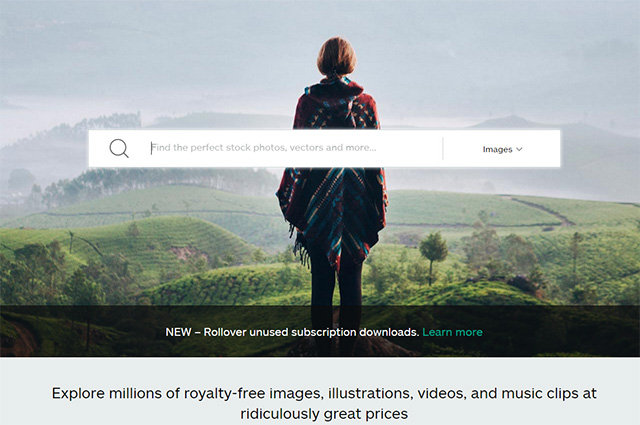
 If you are having a hard time finding stock photos or other images on the Internet, you need to try iStockphoto. IStockphoto is a fun and easy way to find curated and royalty-free images at a reasonable price. IStockphoto is owned and operated by Getty, a name synonymous with high-quality stock photos. The service provides access to millions of images that can be used for just about anything imaginable. But, before you can choose one of the fabulous photos that are on iStockphoto, you need to know a little more about the service.