Stock Photo Subscriptions for Nonprofit Organizations: Maximizing Impact with Cost-Effective Visual Content

Nonprofit organizations rely heavily on compelling visuals to communicate their mission, engage supporters, and drive donations. However, limited budgets often make it challenging to consistently access high-quality imagery and video. Stock photo subscription services offer a practical and affordable solution, enabling nonprofits to maintain professional visual standards without overspending.

Why Visual Content Matters for Nonprofits

In the digital age, storytelling is at the heart of nonprofit success. Whether it’s a fundraising campaign, social media post, or annual report, visuals help convey emotion and authenticity. Strong imagery can significantly improve engagement rates, making it easier to connect with donors, volunteers, and stakeholders.

Without access to professional visuals, nonprofits risk appearing less credible or failing to capture attention in crowded online spaces. This is where stock photo subscriptions become invaluable.

What Are Stock Photo Subscriptions?

Stock photo subscriptions provide access to a large library of images, illustrations, and videos for a fixed monthly or annual fee. Instead of paying per download, organizations can download multiple assets within their plan limits, making it easier to plan and execute campaigns.

Many platforms, including Shutterstock and iStock, offer flexible subscription tiers that cater to different usage levels. These services often include not just photos but also vector graphics and Cheap Stock Footage, allowing nonprofits to diversify their content strategy.

Benefits for Nonprofit Organizations

One of the most significant advantages is cost efficiency. Subscriptions reduce the per-asset cost, making it easier for nonprofits to access premium-quality visuals within tight budgets. Some providers even offer special discounts or programs specifically designed for nonprofit organizations.

Consistency is another key benefit. With access to a unified library, nonprofits can maintain a cohesive visual identity across all communication channels. This consistency strengthens brand recognition and builds trust with audiences.

Additionally, subscriptions save time. Instead of searching for free images with unclear licensing, teams can quickly find and download assets with clear usage rights. This allows staff to focus more on mission-driven activities rather than content sourcing.

Choosing the Right Subscription Plan

Selecting the right stock photo subscription depends on the organization’s size, content needs, and budget. Smaller nonprofits may benefit from basic plans with limited downloads, while larger organizations or those running frequent campaigns may require higher-tier subscriptions.

It’s also important to review licensing terms carefully. Ensure that the plan covers intended uses such as social media, print materials, and advertising. Some platforms offer extended licenses for broader usage, which may be necessary for larger campaigns.

Best Practices for Using Stock Media

To maximize the value of a subscription, nonprofits should prioritize authenticity. Choose images that reflect real-life scenarios and align with the organization’s mission. Avoid overly staged or generic visuals that may feel disconnected from your audience.

Customization is equally important. Adding branded elements, such as logos or color overlays, can help tailor stock images to fit your organization’s identity. This creates a more personalized and impactful presentation.

It’s also beneficial to organize downloaded assets into a centralized library. This ensures that team members can easily access and reuse visuals, improving efficiency across projects.

Conclusion

Stock photo subscriptions provide nonprofit organizations with an accessible way to elevate their visual storytelling. By offering affordable access to high-quality images and Cheap Stock Footage, these services empower nonprofits to communicate more effectively and expand their reach. With the right strategy and tools in place, even organizations with limited resources can create compelling, professional content that drives meaningful engagement and support.

Pinterest Images Not Loading? 7 Quick Fixes for Missing Pins

Pinterest, the popular visual discovery platform, relies heavily on images to engage users. However, it’s not uncommon for users to encounter issues with images not displaying properly. This can be frustrating, especially when browsing through boards or searching for inspiration.

There are several reasons why Pinterest might not be showing images as expected. From network connectivity problems to browser cache issues, the root cause can vary. Understanding these potential factors is crucial for troubleshooting and resolving the problem efficiently. By exploring common culprits and implementing targeted solutions, users can restore their Pinterest experience to its full visual glory.

Key Takeaways

  • Network issues, browser cache problems, and outdated apps are common reasons for Pinterest not showing images
  • Clearing browser cache and cookies can often resolve image display issues on desktop
  • Mobile users should keep the Pinterest app updated and check widget settings to troubleshoot image problems
  • Pinterest debug tools can help identify technical issues affecting image display
  • Optimizing image formats, sizes, and adhering to Pinterest’s guidelines improve overall image visibility

Understanding Pinterest Image Display Issues

Pinterest image display issues can stem from various factors, affecting users’ ability to view and interact with content on the platform. Understanding these issues is crucial for troubleshooting and resolving problems effectively.

Common Causes of Images Not Showing

Several reasons can contribute to images not displaying on Pinterest:

  1. Network connectivity problems: Slow or unstable internet connections often prevent images from loading properly.
  2. Browser cache and cookies: Outdated or corrupted browser data can interfere with image display.
  3. Outdated app or browser: Using an older version of the Pinterest app or web browser may cause compatibility issues.
  4. Image format incompatibility: Some image formats may not be supported by Pinterest, leading to display problems.
  5. Server-side issues: Occasionally, Pinterest’s servers may experience temporary glitches, affecting image loading.
  6. Content blocking: Firewalls or content filters can sometimes prevent images from loading on certain networks.
  7. Lazy loading implementation: Websites using lazy loading techniques may not properly trigger image loading for Pinterest.
  8. Incorrect image attributes: Improperly configured image tags or missing metadata can hinder Pinterest’s ability to display images.

Understanding these common causes helps users identify and address the root of their Pinterest image display issues more effectively.

Troubleshooting Steps for Desktop Users

For desktop users experiencing issues with Pinterest not showing images, several troubleshooting steps can help resolve the problem. These steps focus on common causes and provide practical solutions to get images displaying correctly again.

Clearing Browser Cache and Cookies

Clearing browser cache and cookies often resolves image display issues on Pinterest. Users should:

  1. Open their browser settings
  2. Navigate to the privacy or history section
  3. Select the option to clear browsing data
  4. Choose to clear cache and cookies
  5. Specify the time range (preferably “All time”)
  6. Click “Clear data” or equivalent button

After clearing cache and cookies, users should restart their browser and revisit Pinterest to check if images are now displaying correctly.

Checking Image Implementation

Proper image implementation is crucial for Pinterest to display images correctly. Users can:

  1. Right-click on an empty image area and select “Inspect” or “Inspect Element”
  2. Look for the image tag (
    ) in the HTML code
  3. Verify the “src” attribute contains a valid image URL
  4. Check for any error messages in the browser’s console

If the image URL is invalid or returns an error, users should report the issue to Pinterest support. Additionally, they can try accessing Pinterest from a different browser to determine if the problem is browser-specific.

Mobile App Troubleshooting

Mobile users experiencing issues with Pinterest not showing images can often resolve the problem through app-specific solutions. These troubleshooting steps focus on updating the app and addressing widget display problems.

Updating the Pinterest App

Keeping the Pinterest app up-to-date is crucial for optimal performance and image display. Here’s how to update the app on different mobile platforms:

For Android:

  1. Open the Google Play Store app
  2. Tap the menu icon and go to “My apps & games”
  3. Find Pinterest in the list and tap “Update” if available

For iOS:

  1. Open the App Store
  2. Tap the profile icon at the top of the screen
  3. Scroll to see pending updates and release notes
  4. Tap “Update” next to Pinterest if an update is available

If updating doesn’t resolve the issue, uninstalling and reinstalling the app can provide a fresh start:

On Android:

  1. Go to Settings, then Apps
  2. Find Pinterest and tap “Uninstall”
  3. Return to the Google Play Store to download and install it again

On iOS:

  1. Press and hold the Pinterest app icon
  2. Tap “Delete App” and confirm
  3. Visit the App Store to download a fresh copy of Pinterest

Resolving Widget Display Problems

If Pinterest widgets on your mobile device aren’t displaying images correctly:

  1. Ensure your device has a stable internet connection
  2. Check if the widget is up-to-date by removing and re-adding it
  3. Verify that your Pinterest account is properly linked to the widget
  4. Clear the app’s cache through your device’s settings
  5. Make sure your device’s operating system is current

By following these mobile-specific troubleshooting steps, users can often resolve issues with Pinterest not showing images on their smartphones or tablets.

Technical Solutions

For users wondering “why is my Pinterest not showing images,” there are advanced technical solutions available. These methods can help diagnose and resolve more complex issues affecting image display on Pinterest.

Using Pinterest Debug Tools

Pinterest offers debug tools that can help identify and resolve image display issues. These tools provide insights into how Pinterest sees and processes content from a specific URL. To use the debug tools:

  1. Visit the Pinterest Developer Tools page
  2. Enter the URL of the page with missing images
  3. Click “Debug” to run the analysis
  4. Review the results for any errors or warnings related to image processing

The debug report highlights potential issues with image metadata, pin descriptions, or other technical factors that may prevent images from displaying correctly on Pinterest.

Addressing Rate Limiting and Traffic Drops

Rate limiting and sudden traffic drops can sometimes cause images to stop displaying on Pinterest. To address these issues:

  1. Monitor your Pinterest analytics for sudden changes in traffic
  2. Check if you’re experiencing API rate limits (for business accounts)
  3. Ensure your website can handle increased traffic from Pinterest
  4. Implement caching mechanisms to reduce server load
  5. Use a content delivery network (CDN) to improve image loading speeds

If rate limiting is detected, consider spreading out your pinning activity or upgrading to a business account for higher limits. For traffic drops, analyze your content strategy and ensure you’re consistently sharing high-quality, relevant images that align with Pinterest’s best practices.

Best Practices for Image Visibility

Ensuring your images are visible on Pinterest is crucial for maximizing engagement and reaching your target audience. Implementing best practices for image optimization and adhering to Pinterest’s guidelines can help resolve issues related to “why is my Pinterest not showing images” and improve overall visibility.

Optimizing Image Formats and Sizes

To enhance image visibility on Pinterest, users should focus on optimizing image formats and sizes. Pinterest recommends using high-quality, vertical images with a 2:3 aspect ratio (e.g., 1000 x 1500 pixels) for optimal display across devices. JPEG and PNG formats are preferred, with file sizes kept under 20MB. Utilizing descriptive, keyword-rich file names and alt text can also improve image discoverability and accessibility.

Adhering to Pinterest’s Guidelines

Following Pinterest’s content guidelines is essential for maintaining image visibility and avoiding potential issues. Users should ensure their content is original, authentic, and doesn’t violate copyright or trademark laws. Pinterest prohibits explicit or adult content, hate speech, and misleading information. Regularly reviewing and updating boards to remove any content that may violate these guidelines can help prevent image display problems and account restrictions.

When to Contact Pinterest Support

While many issues with Pinterest not showing images can be resolved through troubleshooting steps, there are instances when contacting Pinterest support becomes necessary. Users should reach out to Pinterest’s support team in the following situations:

  1. Persistent image display problems: If images consistently fail to load after trying all recommended troubleshooting steps, it’s time to seek professional assistance.
  2. Account-specific issues: When the problem appears to be isolated to a particular account rather than a device or network.
  3. Suspected technical glitches: If users notice widespread issues affecting multiple accounts or devices, it may indicate a platform-wide problem.
  4. Copyright infringement concerns: Users who discover their content being used without permission should contact support to report the violation.
  5. Account suspension or restrictions: If an account is unexpectedly suspended or experiences limitations, contacting support can help resolve the issue.

To effectively communicate with Pinterest support:

  • Use the contact forms on Pinterest’s Help Center for specific issues
  • Provide clear, concise descriptions of the problem, including steps taken to troubleshoot
  • Include relevant details such as account information, device type, and operating system
  • Attach screenshots or error messages to illustrate the issue

By contacting Pinterest support in these situations, users can address complex problems and ensure a smoother experience on the platform. Prompt communication with the support team can lead to quicker resolution of issues related to Pinterest not showing images, allowing users to fully enjoy the visual discovery platform.

Conclusion

Resolving image display issues on Pinterest requires a systematic approach. By understanding common causes and following troubleshooting steps users can often restore their visual experience on the platform. For persistent problems advanced techniques and best practices can further enhance image visibility.

Keeping apps and browsers updated clearing caches and optimizing image formats are crucial steps. When issues persist contacting Pinterest support with clear descriptions and relevant details can lead to effective solutions. With these strategies users can overcome image display challenges and fully enjoy Pinterest’s visual discovery experience.


Top 10 AI Photo Generators: Create Stunning Images Instantly

Artificial intelligence has revolutionized the world of photography, and AI photo generators are at the forefront of this exciting transformation. These cutting-edge tools are empowering artists, designers, and everyday users to create stunning visuals with just a few clicks.

From turning text descriptions into lifelike images to enhancing low-quality photos, AI photo generators are pushing the boundaries of what’s possible in digital imagery. They’re not just tools; they’re gateways to unleashing creativity and bringing imagination to life. As these technologies continue to evolve, they’re opening up new realms of artistic expression and visual communication.

What Is an AI Photo Generator?

AI photo generators are cutting-edge tools that harness the power of artificial intelligence to create, edit, and enhance images. These revolutionary systems utilize complex algorithms and machine learning techniques to produce stunning visuals from textual descriptions or transform existing images in ways previously unimaginable.

Unlike traditional stock photo services like Getty Images or Adobe Stock Photos, AI photo generators create unique, original images on demand. They offer an exciting alternative for artists, designers, and content creators who seek fresh, customizable visuals without the limitations of pre-existing photo libraries.

AI photo generators excel at:

  1. Transforming text descriptions into vivid images
  2. Enhancing low-resolution photos to crystal-clear quality
  3. Generating diverse variations of existing images
  4. Creating fantastical scenes that defy reality
  5. Seamlessly blending multiple image styles

These innovative tools open up a world of possibilities for visual content creation, allowing users to bring their wildest imaginings to life with unprecedented ease and speed. As AI technology continues to advance, the capabilities of these photo generators are expanding rapidly, revolutionizing the way we approach digital imagery and artistic expression.

How AI Photo Generators Work

AI photo generators operate through a series of sophisticated steps, harnessing the power of machine learning and neural networks to create stunning visuals:

  1. Data Collection and Training
    AI models ingest vast datasets of images, learning patterns, styles, and compositions from millions of examples. This process enables the AI to understand visual elements and their relationships.
  2. Input Processing
    Users provide prompts or seed images to the AI. Text descriptions are analyzed for key concepts, while seed images are broken down into essential components.
  3. Image Synthesis
    The AI utilizes generative adversarial networks (GANs) or diffusion models to construct new images based on the input. It combines learned patterns and styles to create coherent visuals.
  4. Iterative Refinement
    Multiple iterations refine the generated image, adjusting details, colors, and compositions to match the user’s intent more closely.
  5. Style Transfer and Enhancement
    Advanced AI photo generators apply specific artistic styles or enhance image quality, mimicking techniques like those found in traditional photography or digital art.
  6. Output Generation
    The final image is produced, often with options for further customization or variation generation.

This process revolutionizes image creation, offering an exciting alternative to conventional stock photo services like Getty Images or Adobe Stock Photos. AI generators provide unlimited, unique visuals tailored to specific needs, expanding creative possibilities beyond pre-existing image libraries.

Factors to Consider When Choosing the Best AI Photo Generator

Image Quality and Accuracy

AI photo generators produce images of varying quality and accuracy. Top-tier generators create high-resolution visuals with lifelike details and textures. They accurately interpret text prompts and generate images that closely match the described concepts. Advanced AI models excel at rendering complex scenes coherently while maintaining visual consistency across elements.

Ease of Use

User-friendly interfaces enhance the experience of working with AI photo generators. Intuitive platforms allow users to input text prompts effortlessly and adjust parameters with minimal learning curve. The best generators offer clear instructions streamlined workflows and responsive controls for efficient image creation. Some provide pre-set templates or guided modes to assist beginners in producing quality results quickly.

Customization Options

Robust customization features empower users to fine-tune generated images. Advanced AI photo generators offer granular control over aspects like composition lighting style and color palette. They allow users to specify detailed attributes for characters objects and environments. The ability to iterate on results and make precise adjustments ensures the final output aligns closely with the user’s vision.

Commercial Usage Rights

Understanding the licensing terms for AI-generated images is crucial for commercial applications. Some AI photo generators grant full commercial rights allowing unrestricted use of created images in marketing materials and products. Others may have limitations or require additional licensing for commercial purposes. Users should carefully review the terms to ensure compliance and avoid potential legal issues when using AI-generated visuals for business purposes.

Cost and Pricing Models

AI photo generators offer various pricing structures to accommodate different needs and budgets. Options range from free tiers with limited features to premium subscriptions with advanced capabilities. Some platforms charge per image generated while others provide unlimited generations within a subscription period. Users should evaluate their usage requirements and compare pricing models to find the most cost-effective solution for their specific needs.

Top AI Photo Generators Compared

AI photo generators have revolutionized image creation, offering unique alternatives to traditional stock photo services. Let’s compare some of the top AI photo generators based on specific use cases and features.

Best for Beginners

DALL-E 2 stands out as the go-to choice for newcomers to AI image generation. Its intuitive interface and straightforward prompting system make it easy for beginners to create stunning visuals without extensive technical knowledge. DALL-E 2 offers a user-friendly experience with:

  • Simple text-to-image conversion
  • Guided tutorials for prompt creation
  • Built-in editing tools for refining generated images
  • Diverse style options for experimentation

Best for Professional Results

Midjourney excels in producing high-quality, photorealistic images suitable for professional use. Its advanced algorithms generate visuals that rival those found on premium stock photo sites like Getty Images. Midjourney’s strengths include:

  • Exceptional detail and texture rendering
  • Sophisticated lighting and shadow effects
  • Ability to create complex, multi-element compositions
  • High-resolution output for print and digital media

Best for Text-to-Image Accuracy

Stable Diffusion leads the pack in translating detailed text descriptions into precise visual representations. Its advanced natural language processing capabilities ensure that generated images closely match user prompts. Stable Diffusion offers:

  • Highly accurate interpretation of complex prompts
  • Consistency in generating specific styles or themes
  • Fine-grained control over image elements
  • Ability to maintain brand-specific visual guidelines
  • Extensive customization options for color, composition, and style
  • Integration with Adobe Creative Cloud applications
  • Tools for blending AI-generated elements with existing images
  • Options to generate variations based on specific attributes

How to Use an AI Photo Generator Effectively

Writing Effective Prompts

Crafting precise prompts unlocks the full potential of AI photo generators. Start with clear, descriptive language that specifies the subject, setting, and mood. Include details like lighting, color palette, and artistic style to guide the AI. For example, instead of “a cat,” try “a fluffy orange tabby cat basking in warm sunlight on a windowsill, with a cozy living room visible in the background.” Experiment with different phrasings and word choices to refine results.

Refining and Iterating Results

AI-generated images often require fine-tuning to achieve the desired outcome. Analyze initial results and adjust prompts accordingly. Add or remove elements, modify descriptors, or experiment with different style references. Many AI photo generators offer features like inpainting or outpainting to edit specific areas of the image. Utilize these tools to refine details, adjust compositions, or expand the canvas. Iterative refinement often leads to stunning visuals that surpass traditional stock photo offerings from platforms like Getty Images or Adobe Stock Photos.

Tips for Composition and Detail

Enhance AI-generated images by focusing on composition and detail:

  1. Use the rule of thirds to create balanced compositions
  2. Specify focal points to draw attention to key elements
  3. Incorporate depth by mentioning foreground, middle ground, and background
  4. Request specific textures and materials for added realism
  5. Include lighting directions and types for dramatic effects
  6. Mention reflections or shadows to ground objects in the scene

By applying these techniques, users can create unique, high-quality visuals that rival or exceed those found in traditional stock photo libraries, offering a fresh alternative to Getty Images and Adobe Stock Photos.

Ethical and Legal Considerations

Copyright Issues

AI photo generators revolutionize image creation but raise complex copyright questions. Unlike traditional stock photo services like Getty Images or Adobe Stock Photos, AI-generated images blur the lines of ownership and attribution. Users must understand:

  • Ownership ambiguity: AI-generated images may not have clear copyright holders, as they’re created by algorithms trained on vast datasets.
  • Potential infringement: Images produced by AI might inadvertently replicate copyrighted elements from training data.
  • Licensing complexity: Each AI platform has unique terms of service that dictate how users can utilize generated images commercially.
  • Fair use limitations: The application of fair use doctrine to AI-generated content remains a gray area in copyright law.

Users should thoroughly review platform policies and consult legal experts when using AI-generated images for commercial purposes to avoid potential copyright disputes.

Proper Disclosure of AI-Generated Images

Transparency about the origin of AI-generated images is crucial for maintaining ethical standards and building trust. Users should:

  • Clearly label AI content: Indicate when images are AI-generated in publications, social media posts, or commercial materials.
  • Provide platform attribution: Mention the specific AI tool used to create the image, such as DALL-E 2 or Midjourney.
  • Disclose editing: If AI-generated images are further modified, acknowledge both the AI generation and subsequent edits.
  • Respect platform guidelines: Follow disclosure requirements set by AI photo generator platforms.
  • Educate audiences: Help viewers understand the capabilities and limitations of AI-generated imagery.

By adopting these practices, users can harness the creative potential of AI photo generators while upholding ethical standards and fostering transparency in visual content creation.

Troubleshooting Common Issues

Image Quality Problems

Blurry or pixelated images often result from insufficient input detail. Users should provide more specific prompts with vivid descriptions of textures colors and compositions. Experimenting with different resolution settings and upscaling techniques can also enhance image clarity.

Unexpected or Inaccurate Results

When AI-generated images don’t match expectations users should refine their prompts. Adding qualifiers like “photorealistic” “high-quality” or “detailed” can improve output. Users can also try breaking complex prompts into simpler components for more accurate results.

Limited Style Options

Some AI generators struggle with specific artistic styles. Users facing this issue can explore style transfer techniques or seek alternative platforms specializing in their desired aesthetic. Combining multiple generators’ outputs can also yield unique stylistic results.

Watermarks or Unwanted Elements

Persistent watermarks or logos in generated images may indicate copyright issues. Users should verify the AI model’s training data and ensure they’re not inadvertently recreating copyrighted content from sources like Getty Images or Adobe Stock Photos.

Generation Speed Issues

Slow image generation often stems from high server load or limited computational resources. Users can try off-peak hours for faster results or consider upgrading to premium services for priority processing.

Inconsistent Results Across Sessions

AI models occasionally produce varying results for identical prompts. Users should save successful prompts and generated images for future reference. Some platforms offer seed values to reproduce specific outputs consistently.

Difficulty with Text Integration

When struggling to incorporate text into generated images users can try text-specific prompts or use post-processing tools. Some AI generators excel at creating images with integrated text while others may require manual editing.

Color Accuracy Problems

To address color discrepancies users should use precise color descriptions in their prompts. Specifying exact hex codes or using universally recognized color names can improve accuracy. Post-generation color correction tools can also help achieve desired palettes.

Future of AI Photo Generation

AI photo generation technology is poised for explosive growth, promising to revolutionize visual content creation. As these systems evolve, they’ll challenge traditional stock photo services like Getty Images and Adobe Stock Photos, offering unparalleled customization and creativity.

Enhanced Realism and Detail

Future AI photo generators will produce images indistinguishable from real photographs. Advanced algorithms will capture nuanced textures, lighting, and depth, creating hyper-realistic visuals that surpass current capabilities.

Seamless Integration with Other AI Technologies

AI photo generation will integrate with natural language processing and computer vision, enabling users to create images through conversational interfaces or by describing scenes in their own words.

Real-Time Generation and Editing

Upcoming iterations will offer real-time image generation and editing capabilities. Users will manipulate AI-generated photos instantly, adjusting elements on-the-fly for perfect results.

Personalized Content Creation

Future AI systems will learn individual user preferences, automatically generating tailored images that align with specific artistic styles or brand guidelines.

Ethical and Legal Advancements

As the technology matures, clearer guidelines and regulations will emerge regarding copyright, ownership, and ethical use of AI-generated images, addressing current concerns in the industry.

Democratization of Visual Content

AI photo generation will become more accessible, allowing individuals and businesses of all sizes to create professional-quality visuals without the need for expensive equipment or specialized skills.

Cross-Platform Compatibility

Future AI photo generators will seamlessly integrate with various design tools and platforms, streamlining workflows for creative professionals and casual users alike.

Conclusion

AI photo generators are revolutionizing digital imagery and artistic expression! These innovative tools offer endless possibilities for creating stunning visuals with unprecedented ease and speed. As the technology evolves it’s poised to challenge traditional stock photo services and democratize content creation.

The future of AI photo generation looks incredibly bright! We can expect hyper-realistic images real-time editing and personalized content tailored to individual preferences. With clearer ethical guidelines and improved cross-platform compatibility AI photo generators will continue to transform the visual landscape for both professionals and casual users alike.


AI Video Generators: The Future of Content Creation Explained

Ready to become the next Spielberg without ever touching a camera? Welcome to the wild world of AI video generators! These digital wizards are about to turn your imagination into cinematic gold faster than you can say “lights, camera, action!”

What Are AI Video Generators?

Picture this: You’re lounging on your couch, scrolling through social media, when suddenly you have a brilliant idea for a video. But wait! You don’t have a fancy camera, a lighting crew, or even pants on. Enter AI video generators, your new best friend in the world of digital creativity!

These magical tools are like having a Hollywood studio in your pocket, minus the demanding directors and overpriced lattes. AI video generators are sophisticated software programs that use artificial intelligence to create videos from scratch or transform your basic ideas into cinematic masterpieces.

Think of them as your personal digital Spielberg, ready to bring your wildest video dreams to life without you having to leave your couch. These AI-powered wizards can conjure up everything from sleek marketing videos to wacky memes, all with just a few clicks and maybe a sprinkle of imagination from you.

But how do these digital genies work their magic? Well, they’re trained on vast amounts of video data, learning the ins and outs of visual storytelling, composition, and even those cheesy special effects you secretly love. When you feed them your ideas, they use this knowledge to piece together a video that looks like it took a team of professionals days to create.

And the best part? You don’t need to be a tech guru or a film school graduate to use them. These AI video generators are designed to be user-friendly, so even if you can barely operate your microwave, you can still create videos that’ll make your friends think you’ve been moonlighting as a Hollywood hotshot.

How AI Video Generation Works

Ever wonder how AI turns your wild ideas into moving pictures? It’s like having a tiny film crew inside your computer, but without the ego clashes and coffee breaks. Let’s peek behind the digital curtain:

Natural Language Processing

Picture this: you’re telling your AI buddy about your dream video, and it’s nodding along like it totally gets you. That’s Natural Language Processing (NLP) in action, folks! It’s the AI’s way of decoding your human gibberish into something it can work with. So when you say “Make me a video of a cat riding a unicycle through space,” the AI doesn’t just stare at you blankly – it actually understands. It’s like having a really attentive friend who’s always ready to make your weirdest dreams come true, no questions asked.

Neural Networks

Here’s where things get a little sci-fi. Neural networks are the AI’s brain, and they’re working overtime to make your video dreams a reality. These networks are like a massive game of connect-the-dots, linking together all the bits and pieces needed to create your masterpiece. They’re juggling colors, shapes, movements, and probably wondering why you wanted that cat in space in the first place. But hey, they’re not here to judge – they’re here to deliver!

3D Modeling

Last but not least, we’ve got 3D modeling – the digital sculptor of your AI video generator. This is where your flat ideas get some serious dimension. Want your space-cat to look like it could pop right out of the screen? 3D modeling’s got your back. It’s turning your 2D concept into a 3D spectacle faster than you can say “meow in zero gravity.” And the best part? You don’t have to be a tech wizard to make it happen. The AI does all the heavy lifting, leaving you free to focus on your next Oscar-worthy idea.

Benefits of AI Video Creation

Hold onto your director’s chair, because AI video creation is about to make your Hollywood dreams come true without breaking the bank or your sanity! Let’s dive into the perks of this digital magic wand.

Cost-Effectiveness and Efficiency

Say goodbye to your piggy bank’s nightmares! With AI video generators, you can create Oscar-worthy content without selling your kidney on the black market. These digital wizards churn out videos faster than you can say “action,” saving you precious time and money. No more renting expensive equipment or bribing your friends with pizza to be your crew. Just you, your computer, and your wildest ideas – it’s like having a full production studio in your pajamas!

Customization and Personalization

Gone are the days of generic, cookie-cutter videos that put your audience to sleep faster than a documentary on paint drying. AI video generators are like that friend who always knows exactly what you want (minus the creepy mind-reading). These clever tools can tailor your content to fit your brand, style, and target audience with more precision than a surgeon with OCD. Want a talking unicorn selling tacos in space? Consider it done, you beautiful weirdo!

Current Applications of AI Video Generators

Hold onto your director’s chair, because AI video generators are taking over Hollywood… well, not quite, but they’re definitely making waves in various industries. Let’s dive into some of the most exciting applications that’ll make you want to yell “Action!” at your computer screen.

Marketing and Advertising

Imagine Don Draper with a supercomputer for a brain – that’s what AI video generators are bringing to the marketing world. These digital Mad Men are churning out attention-grabbing ads faster than you can say “viral content.” With an AI video generator, you can:

  • Create product demos that’ll make your customers’ jaws drop (and wallets open)
  • Whip up social media ads that’ll have people swiping right… er, I mean, clicking “Buy Now”
  • Produce branded content that’s so personalized, your audience will think you’re stalking them (in a good way, of course)

Gone are the days of blowing your entire budget on a 30-second TV spot. Now, you can create a whole campaign’s worth of videos for less than the cost of a fancy coffee maker.

Training and Development

Remember those awkward corporate training videos with terrible acting and even worse special effects? Well, AI video generators are here to save us from that cringe-fest. These digital instructors are revolutionizing the world of employee education by:

  • Creating interactive tutorials that won’t put your staff to sleep
  • Generating scenario-based training videos that feel like choose-your-own-adventure books (minus the papercuts)
  • Producing onboarding materials that’ll make new hires actually excited to learn about company policies (I know, it sounds impossible, but trust me)

With AI-generated training videos, your employees will be begging for more professional development. Okay, maybe that’s a stretch, but at least they won’t be hiding in the supply closet to avoid it.

Content Creation

Move over, YouTubers and TikTokers – there’s a new content creator in town, and it doesn’t need sleep or caffeine to keep pumping out videos. AI video generators are becoming the ultimate sidekick for content creators, helping them:

  • Produce eye-catching intros and outros faster than you can say “Like and subscribe!”
  • Create animated explainer videos that make complex topics digestible (and dare I say, fun?)
  • Generate B-roll footage without leaving the comfort of their gaming chairs

With an AI video generator in your arsenal, you’ll be cranking out content faster than a squirrel on energy drinks. And the best part? You don’t even need to worry about bad hair days or finding the perfect lighting – your AI assistant’s got you covered.

Types of AI Video Generators

Hold onto your director’s chair, because we’re about to dive into the wild world of AI video generators! These digital maestros come in all shapes and sizes, each with their own unique flair for turning your ideas into cinematic gold.

Text-to-Video Tools

Picture this: you’re sitting in your pajamas, munching on some popcorn, when suddenly inspiration strikes. With text-to-video AI generators, you can turn that lightbulb moment into a blockbuster faster than you can say “Action!” These magical tools take your words and transform them into visual masterpieces. Just type in “dancing unicorn on a rainbow,” and voila! You’ve got yourself a whimsical wonderland without ever touching a camera. It’s like having a genie in a bottle, except instead of three wishes, you get unlimited videos.

AI-Enhanced Video Editors

Remember those times you tried to edit a video and ended up with something that looked like it was filmed during an earthquake? Well, say goodbye to shaky cam syndrome! AI-enhanced video editors are here to save the day (and your reputation). These smart tools can stabilize footage, enhance colors, and even remove that photobombing squirrel from your otherwise perfect shot. It’s like having a Hollywood special effects team in your pocket, minus the hefty price tag and diva attitudes.

The Process of Creating Videos With AI

Ready to become the Spielberg of the digital age? Let’s dive into the magical world of AI video creation, where your wildest ideas can come to life faster than you can say “lights, camera, action!”

Ideation and Script Writing

Get ready to unleash your inner Shakespeare… or at least your inner meme lord. With AI video generators, you’re not just brainstorming; you’re brain-tsunamying! Simply type in your brilliant (or ridiculous) ideas, and watch as the AI transforms your words into storyboards faster than you can say “plot twist.” No need to worry about writer’s block – these digital wordsmiths can even suggest plot points that’ll make your high school English teacher proud. Just remember, if your AI suggests a story about robots taking over the world, maybe tone it down a notch.

Video Editing and Production

Welcome to the editing suite of the future, where your computer does all the heavy lifting! AI video generators are like having a caffeinated team of editors working 24/7. They’ll splice scenes, add transitions, and even throw in some special effects that would make Michael Bay jealous. And the best part? You don’t need to know your green screen from your blue screen. Just sit back, relax, and watch as your masterpiece comes together faster than you can microwave popcorn.

Customization and Refinement

Think of this stage as giving your AI-generated video a makeover. You’re the fairy godmother, and your magic wand is a mouse cursor. Want to change the background? Poof! Need a different font? Abracadabra! The AI video generator offers more customization options than a build-your-own-burrito bar. You can tweak colors, adjust pacing, and even add your own voiceover – because let’s face it, no one can nail that Morgan Freeman impression quite like you can. And if you need some extra visual pizzazz, many AI generators integrate seamlessly with ai stock photo websites, giving you access to a treasure trove of images that’ll make your video pop like a kernel in hot oil.

Challenges and Limitations

While AI video generators are revolutionizing content creation, they’re not without their quirks and hiccups. Let’s dive into the digital potholes and pixel-perfect problems that these virtual Spielbergs face.

Ethical Considerations

You might think AI video generators are all fun and games, but they’ve got more ethical baggage than a philosophy major on spring break. These digital directors can sometimes blur the lines between reality and fiction faster than you can say “deep fake.” Imagine waking up to find your face plastered all over the internet in videos you never made – talk about a case of mistaken pixel identity! Plus, there’s the thorny issue of copyright infringement. These AI whiz-kids might accidentally sample someone else’s work, leaving you with a legal headache that even the strongest coffee can’t cure.

Quality Concerns

Sure, AI video generators can whip up a video faster than you can microwave popcorn, but sometimes the results are about as appetizing. While these digital auteurs can create stunning visuals, they occasionally churn out videos that look like they were filmed through a kaleidoscope during an earthquake. And don’t get us started on the dialogue – sometimes it’s as coherent as a cat walking across a keyboard. You might find yourself longing for the good old days of shaky handheld cameras and awkward line readings.

Technological Constraints

Even the mightiest AI video generator can’t escape the laws of computing physics. These digital dreamweavers are often limited by the processing power of your device, turning your cutting-edge video creation session into a nostalgic throwback to the days of dial-up internet. And let’s not forget about file sizes – your masterpiece might end up being too hefty for your poor computer to handle, leaving you with a choice between a cinematic opus and being able to open other programs. Plus, these AI directors can be as temperamental as a diva on set, sometimes refusing to work with certain file formats or throwing a digital tantrum when asked to create something too complex.

Future Trends in AI Video Generation

Hold onto your director’s chairs, folks! The future of AI video generation is looking so bright, you might need to wear shades. Let’s dive into the mind-blowing advancements coming your way.

Advancements in Realism

Get ready for AI-generated videos so real, you’ll be pinching yourself to make sure you’re not dreaming. Soon, your ai video generator will be churning out footage that’s indistinguishable from the real deal. Imagine creating a blockbuster-worthy alien invasion scene from your couch, complete with hyper-realistic CGI that would make Hollywood executives weep with envy. You’ll be able to conjure up lifelike characters with more personality than your average reality TV star, all without the drama of dealing with human actors. Who needs Tom Cruise when you’ve got AI Tom Snooze?

Integration With Existing Software

Prepare for a world where your ai video generator plays nice with all your favorite editing tools. It’ll be like introducing your digital BFF to the rest of your software squad. Soon, you’ll be seamlessly importing AI-generated scenes into Adobe Premiere faster than you can say “cut!” Need some stock footage to spice up your masterpiece? Your AI buddy will be right there, ready to whip up custom clips that fit perfectly with your existing material. It’s like having a magical genie that grants unlimited b-roll wishes!

Impact on Traditional Video Production

Buckle up, folks! AI video generators are about to turn the world of traditional video production upside down. You might want to hold onto your director’s chair for this wild ride.

Changing Roles for Human Creators

Remember when you thought your job as a video creator was safe from the robot uprising? Well, surprise! AI video generators are here to shake things up like a hyperactive camera operator. But don’t worry, you won’t be replaced by a sentient coffee machine just yet. Instead, your role is evolving faster than a time-lapse sequence.

You’ll find yourself becoming more of a creative director, guiding the AI like a wise Jedi master. Instead of spending hours adjusting lighting or perfecting that one tricky transition, you’ll be focusing on the big picture. Think of it as delegating the tedious tasks to your new digital intern while you brainstorm the next viral sensation.

And let’s face it, who wouldn’t want an assistant that doesn’t complain about working overtime or steal your lunch from the fridge?

Democratization of Video Content

Hold onto your hats, because the ai video generator is about to make everyone and their grandmother a potential Spielberg. Gone are the days when creating a professional-looking video required a degree in film studies and a budget that rivals a small country’s GDP.

With just a few clicks and maybe a witty prompt or two, you can whip up a video that looks like it took a team of professionals weeks to create. It’s like having a magic wand that turns your half-baked ideas into cinematic gold. Who needs film school when you’ve got AI, right?

But wait, there’s more! These AI generators are playing nice with ai stock photo websites too. So, if your AI-generated masterpiece needs a dash of reality, you can easily sprinkle in some stock photos faster than you can say “copyright infringement avoided.”

The result? A flood of content that’s as diverse as a box of assorted chocolates. From Karen’s cat videos to Bob’s backyard barbecue tutorials, the internet is about to get a whole lot more… interesting. Brace yourself for an avalanche of creativity (and possibly some questionable taste) as the barriers to video production come crashing down like a poorly constructed green screen.

Conclusion

You’re now equipped to ride the AI video wave like a digital surfer on a sea of pixels! As these intelligent tools continue to evolve you’ll be creating Oscar-worthy masterpieces from your couch in no time.

Just remember to keep your ideas wilder than a cat on catnip. The future of video creation is here and it’s dressed in ones and zeros. So grab your virtual director’s chair and get ready to yell “ACTION!” at your computer screen.

Who knows? Maybe one day you’ll be accepting awards for films you made while eating pizza in your pajamas. Now that’s what we call movie magic!

 

10 Free Images to Instantly Brighten Your Day: Cute Animals, Nature, and Inspiring Quotes

Ever feel like your day could use a splash of color? Well, buckle up, buttercup! We’re about to embark on a whimsical journey through the world of free images that’ll turn your frown upside down faster than you can say “cheese!”

Key Takeaways

  • Free mood-boosting images include cute animals, nature scenes, inspiring quotes, and heartwarming human moments
  • Popular sources for free images include stock photo websites, social media platforms, and public domain collections
  • Choose high-quality images that match your mood and purpose for maximum impact
  • Use uplifting images creatively as wallpapers, social media content, and personalized greeting cards
  • Create your own mood-lifting images by embracing creativity, capturing everyday joy, and adding witty captions

Types of Uplifting Free Images

Ready to embark on a visual journey that’ll turn your frown upside down? Let’s dive into the world of mood-boosting pixels!

Cute Animal Photos

Imagine scrolling through your feed and BAM! A puppy’s derpy face appears. Instant serotonin boost, right? When you search for free images of adorable critters, you’ll find:

  • Kittens tangled in yarn (because who doesn’t love a feline fail?)
  • Baby elephants trying to use their trunks (spoiler: it’s hilarious)
  • Otters holding hands while napping (relationship goals, anyone?)

These furry, feathered, or scaly friends are guaranteed to make you say “Aww!” louder than your neighbor’s lawnmower at 7 AM on a Saturday.

Nature and Landscapes

Mother Nature’s got some serious Photoshop skills. When you explore stock photo websites for natural wonders, you’ll discover:

  • Sunsets that look like the sky’s on fire (in a good way)
  • Waterfalls so majestic, you’ll want to yodel
  • Fields of flowers that’ll make you sneeze just by looking at them

These images are perfect for when you need a virtual vacation from your cubicle or a reminder that the world isn’t all concrete and traffic jams.

Inspiring Quotes and Typography

Sometimes, words hit harder than a triple espresso. Free typography images offer:

  • Motivational quotes that’ll make you want to conquer the world (or at least your inbox)
  • Puns so bad, they’re good (Dad jokes, anyone?)
  • Sassy one-liners that speak to your inner diva

These visual pick-me-ups are like fortune cookies for your eyeballs – brief, impactful, and occasionally nonsensical.

Heartwarming Human Moments

Humans can be pretty awesome when they’re not inventing new ways to be annoying on social media. Look for images capturing:

  • Strangers helping strangers (faith in humanity: restored)
  • Kids being unintentionally hilarious (like trying to eat spaghetti for the first time)
  • Elderly couples still madly in love (cue the collective “Aww!”)

These snapshots of humanity at its best will remind you that the world isn’t entirely populated by internet trolls and people who talk during movies.

Where to Find Free Mood-Boosting Images

Now that you’re ready to inject some visual happiness into your life, let’s explore the treasure troves of free mood-boosting images. Get ready to embark on a pixelated adventure!

Stock Photo Websites

Search for free images on stock photo websites to uncover a goldmine of mood-lifting visuals. These Stock Photo Websites offer a smorgasbord of cheerful content:

  • Unsplash: Home to a cornucopia of high-quality, free-to-use images that’ll make your eyeballs dance with joy
  • Pexels: A virtual wonderland of photos and videos that’ll tickle your fancy without tickling your wallet
  • Pixabay: A treasure chest of royalty-free images, perfect for when you need a visual pick-me-up

Pro tip: Use search terms like “happy,” “joyful,” or “colorful” to find images that’ll instantly boost your mood faster than a double shot of espresso.

Social Media Platforms

Social media isn’t just for stalking your ex or arguing with strangers. It’s also a goldmine for free mood-boosting images:

  • Instagram: Follow accounts dedicated to positivity, cute animals, or breathtaking landscapes
  • Pinterest: Create boards filled with images that make you happier than a dog with two tails
  • Flickr: Explore user-generated content that’ll have you grinning like a Cheshire cat

Remember, scrolling through social media for mood-boosting images is like eating potato chips – it’s hard to stop at just one!

Public Domain Collections

Dive into the world of public domain images, where copyright-free content roams free like wild mustangs:

  • Wikimedia Commons: A vast collection of images that’ll make you feel smarter just by browsing
  • New York Public Library Digital Collections: Historical images that’ll transport you faster than a DeLorean time machine
  • NASA Image and Video Library: Out-of-this-world visuals that’ll have you seeing stars (literally)

Exploring these collections is like going on a digital scavenger hunt, except instead of finding a rusty old key, you’ll discover images that’ll skyrocket your mood to the stratosphere.

How to Choose the Perfect Image

Now that you’ve got a smorgasbord of free image sources at your fingertips, it’s time to become a picky pixel connoisseur. Here’s how to cherry-pick the crème de la crème of mood-boosting visuals:

Consider Your Mood and Purpose

Choosing an image is like picking an outfit for your emotions. Are you feeling blue and need a pick-me-up? Look for images that scream “happiness” louder than a sugar-high toddler. Want to inspire productivity? Search for visuals that make you want to conquer the world (or at least your to-do list). Remember, the right image can turn your frown upside down faster than you can say “cheese!”

Look for High-Quality Resolution

Nobody likes a fuzzy photo – unless it’s of Bigfoot. When you search for free images, make sure they’re sharp enough to cut through your bad mood. High-resolution images are like a good pair of glasses for your soul – they’ll help you see the beauty in crisp, clear detail. Plus, you don’t want your friends squinting at your social media posts, wondering if that’s a sunset or a blurry orange blob.

Creative Ways to Use Mood-Lifting Images

Desktop and Mobile Wallpapers

Transform your digital workspace into a happiness hub! Slap that adorable puppy pic or awe-inspiring sunset onto your desktop or phone screen. Every time you unlock your device, BAM! Instant mood boost. Pro tip: rotate your wallpapers weekly for a fresh dose of feel-good vibes. Who needs coffee when you’ve got a smiling sloth as your background?

Social Media Sharing

Spread the joy like butter on hot toast! Pepper your social media feeds with mood-lifting images. Create “Happy Monday” posts with motivational quotes on serene backgrounds. Or start a “Furry Friend Friday” trend, showcasing the cutest critters from your free image searches. Watch your followers’ frowns turn upside down faster than you can say “viral cat video.”

Personalized Greeting Cards

Ditch those boring store-bought cards and unleash your inner Picasso! Use free mood-boosting images to craft personalized greeting cards that’ll make your friends’ hearts melt like ice cream on a hot sidewalk. Combine a stunning landscape with a witty caption for birthdays, or pair a cute animal with a pun for get-well wishes. Your buddies will be so impressed, they might just frame your cards instead of tossing them in the junk drawer.

Tips for Creating Your Own Uplifting Images

Embrace Your Inner Artist

Unleash your inner Picasso and create mood-boosting masterpieces! Grab a pencil, paintbrush, or even a banana (hey, why not?), and let your creativity run wild. Remember, stick figures are people too, so don’t be afraid to draw outside the lines.

Capture Everyday Joy

Turn your smartphone into a happiness-hunting device. Snap photos of mundane objects that make you giggle, like that weirdly shaped potato or your cat’s judgemental stare. Bonus points if you catch your reflection mid-sneeze!

Add Witty Captions

Transform ordinary images into extraordinary mood-lifters with clever captions. Think puns, dad jokes, or even profound quotes from your goldfish. The cheesier, the better – just don’t blame us if your friends start avoiding you.

Experiment with Filters

Play mad scientist with photo editing apps. Turn your grumpy neighbor into a rainbow-colored unicorn or give your houseplant a fabulous makeover. Who knows, you might accidentally create the next viral meme!

Combine Unexpected Elements

Create visual mashups that tickle your funny bone. Photoshop your cat’s head onto a bodybuilder’s body, or place your best friend in a famous Renaissance painting. The more absurd, the more likely you’ll burst into laughter every time you see it.

Conclusion: Harnessing the Power of Positive Visuals

You’re now armed with an arsenal of free mood-boosting images and creative ideas to brighten your day. Whether you’re scrolling through adorable puppies or crafting your own visual masterpieces it’s time to embrace the power of positivity pixels!

Remember: a picture’s worth a thousand words but a funny cat meme is priceless. So go forth and conquer the world one cheerful image at a time. Your eyes (and your funny bone) will thank you!


Where to Find Free Images: 21+ Best Sites for High-Quality Stock Photos

In today’s visually-driven digital landscape, finding high-quality images for your projects can be a game-changer. Whether you’re a blogger, marketer, or designer, you know the power of stunning visuals to captivate your audience. But let’s face it – professional stock photos can be expensive.

Understanding Free Image Licensing

When searching for free images it’s crucial to understand the various licensing terms to ensure proper usage and avoid legal issues. Let’s explore the most common types of free image licenses you’ll encounter.

Creative Commons Explained

Creative Commons (CC) licenses provide a standardized way for creators to grant permission for others to use their work. These licenses allow you to use images for free while specifying certain conditions:

  • Attribution (BY): You must give credit to the original creator.
  • ShareAlike (SA): You can share and adapt the work but must license your new creation under identical terms.
  • NonCommercial (NC): You can use the work for non-commercial purposes only.
  • NoDerivatives (ND): You can use the work but cannot modify or adapt it.

CC licenses are often combined such as CC BY-SA or CC BY-NC-ND. Always check the specific license requirements before using an image.

Public Domain vs. Royalty-Free

Public Domain and Royalty-Free are two distinct concepts in image licensing:

Public Domain:

  • Images in the public domain are free from copyright restrictions.
  • You can use modify and distribute these images without permission or attribution.
  • Sources include works where copyright has expired or images explicitly released into the public domain.

Royalty-Free:

  • Despite the name “free” royalty-free images are not always free of charge.
  • You typically pay a one-time fee for unlimited use of the image.
  • No need to pay royalties or additional fees for each use.
  • Usage is often unrestricted but check the specific license for any limitations.

Understanding these licensing terms helps you navigate the world of free images responsibly. Always verify the license and adhere to its requirements to ensure legal and ethical use of visual content in your projects.

Top Free Stock Photo Websites

Discover a wealth of high-quality, free images for your projects with these top stock photo websites. These platforms offer diverse collections to suit various needs and preferences.

General-Purpose Image Resources

  1. Unsplash: Known for its vast collection of high-resolution photos, Unsplash offers a wide range of subjects. You’ll find everything from landscapes to portraits, all free for commercial use.
  2. Pexels: This platform provides both photos and videos, with a user-friendly search function. You can easily filter results by color, orientation, or size to find the perfect image.
  3. Pixabay: Offering not just photos but also vector graphics and illustrations, Pixabay is a versatile resource for creators. Its extensive library covers numerous categories and styles.
  4. Stocksnap.io: With a clean interface and curated collections, Stocksnap.io makes it easy to find trending and popular images. Their selection is updated weekly, ensuring fresh content.
  5. Kaboompics: This site offers coordinated color palettes with each image, making it ideal for designers looking to maintain visual consistency in their projects.
  1. New Old Stock: For vintage and historical photographs, New Old Stock provides a curated collection of images from public archives. These photos are perfect for projects requiring a retro or nostalgic feel.
  2. Foodiesfeed: As the name suggests, this website specializes in high-quality food photography. It’s an excellent resource for food bloggers, restaurateurs, or anyone working on culinary-related projects.
  3. Gratisography: If you’re looking for quirky and whimsical images, Gratisography offers a unique collection of photos with a creative twist. These images are ideal for adding personality to your projects.
  4. Life of Pix: This platform focuses on artistic and visually striking photographs. It’s particularly useful for those seeking images with a more professional or editorial look.
  5. Picjumbo: While offering a variety of subjects, Picjumbo excels in providing modern, tech-oriented images. It’s a great resource for startups, tech blogs, or business-related content.

How To Search For Free Images

Where to find free images requires effective search strategies. Here’s how you can refine your search process:

Using Advanced Search Techniques

To enhance your search for free images use Boolean operators and specific keywords. Combine terms with “AND” “OR” or “NOT” to narrow or broaden results. For instance search “beach AND sunset” for specific scenes or “food NOT meat” for vegetarian options. Use quotation marks for exact phrases like “mountain landscape.” Experiment with synonyms and related terms to expand your options. Many image platforms offer filters for orientation size and color which can help you find the perfect image more quickly.

Filtering By Usage Rights

When searching for free images it’s crucial to filter by usage rights to ensure you’re using images legally. Most search engines and stock photo websites offer options to filter results by license type. Look for filters like “Creative Commons licenses” “Commercial use allowed” or “Free to use share or modify.” On Google Images click on “Tools” then “Usage Rights” to select appropriate options. On platforms like Flickr use the “License” filter in the advanced search. Always verify the specific license terms for each image you select as requirements can vary even within free-to-use categories.

Enhancing And Editing Free Images

Once you’ve found the perfect free image, you might want to customize it to fit your specific needs. Here are some tools and best practices to help you enhance and properly attribute your chosen images.

Online Tools For Image Modification

Several online platforms offer user-friendly tools for image editing without requiring advanced graphic design skills:

  • Canva: A versatile design platform with a wide range of templates and editing features. You can easily resize, crop, add text, and apply filters to your images.
  • Pixlr: This browser-based editor offers both basic and advanced editing tools, including layering, masking, and various effects.
  • Adobe Express (formerly Adobe Spark): Provides quick and easy ways to resize, add text, and apply design elements to your images.
  • Fotor: Offers a variety of editing tools, including photo effects, text overlay, and collage creation.
  • BeFunky: Features a user-friendly interface with options for photo editing, graphic design, and collage making.

When using these tools, focus on:

  • Resizing images to fit your platform requirements
  • Adjusting brightness, contrast, and saturation for optimal visual appeal
  • Adding text overlays or watermarks if needed
  • Cropping images to improve composition or focus

Best Practices For Image Attribution

Properly attributing free images is crucial for ethical use and legal compliance:

  1. Check the license: Review the specific requirements for attribution set by the image creator or platform.
  2. Include creator information: Mention the photographer’s or artist’s name if provided.
  3. Link to the source: When possible, include a link to the original image or the creator’s profile.
  4. Specify the license: Mention the type of license under which you’re using the image.
  5. Place attribution visibly: Include the attribution near the image or in a dedicated credits section.

Example attribution format:
“Photo by [Creator Name] on [Platform Name], licensed under [License Type]”

Remember, even if an image is free, proper attribution shows respect for the creator’s work and helps maintain the ecosystem of freely shared resources. Always follow the specific attribution requirements provided by the image source to ensure you’re using the image correctly and ethically.

Legal Considerations When Using Free Images

Understanding the legal aspects of using free images is crucial for protecting yourself and respecting creators’ rights. Here are key legal considerations to keep in mind when using free images in your projects.

Commercial vs. Non-Commercial Use

When using free images it’s essential to distinguish between commercial and non-commercial use. Commercial use involves any activity intended to generate profit directly or indirectly. This includes using images on websites that display ads promoting products or services or in marketing materials. Non-commercial use typically refers to personal projects educational purposes or non-profit activities.

Many free image licenses specify different terms for commercial and non-commercial use. Some images may be free for personal use but require payment or additional permissions for commercial applications. Always check the specific license terms for each image you intend to use. Some licenses like Creative Commons (CC) have variations that explicitly allow or prohibit commercial use.

Potential Risks And How To Avoid Them

Using free images without proper consideration of legal requirements can lead to various risks. Here are some potential issues and how to mitigate them:

  1. Copyright infringement: Ensure you have the right to use the image by carefully reading and adhering to the license terms. Never assume an image is free to use just because it’s easily accessible online.
  2. Misuse of personal likeness: Be cautious when using images featuring recognizable individuals. Some free images may not have proper model releases which could lead to privacy issues or legal action.
  3. Trademark violations: Avoid using images that contain trademarked logos or products without permission especially for commercial purposes.
  4. Inadequate attribution: Failing to provide proper credit when required by the license can result in legal issues. Always follow attribution guidelines meticulously.
  5. License changes: Be aware that image licenses can change over time. Regularly review the terms of use for images you’ve incorporated into long-term projects.

To avoid these risks:

  • Always verify the source and license of each image you use.
  • Keep detailed records of where you obtained each image and its associated license.
  • When in doubt seek permission directly from the copyright holder.
  • Consider using reputable stock photo sites that offer clear licensing terms.
  • Stay informed about copyright laws and best practices in your industry.

By being diligent about these legal considerations you can confidently use free images while minimizing potential legal risks and respecting creators’ rights.

Alternatives To Free Stock Photos

While free stock photos are valuable resources, they aren’t your only option for visual content. Consider these alternatives to diversify your image selection and create unique visuals for your projects.

Creating Your Own Images

Taking matters into your own hands can yield personalized and distinctive visuals. Here’s how you can create your own images:

  • Smartphone photography: Modern smartphones have powerful cameras capable of producing high-quality images. Experiment with composition, lighting, and angles to capture compelling shots.
  • Invest in a DSLR: For higher-quality images, consider purchasing a DSLR camera. This allows for greater control over your photos and can produce professional-looking results.
  • Learn basic editing: Familiarize yourself with photo editing software like Adobe Lightroom or free alternatives like GIMP to enhance your images.
  • Develop a consistent style: Create a visual brand by maintaining a consistent aesthetic across your images.
  • Practice regularly: Like any skill, photography improves with practice. Set aside time to hone your craft.

By creating your own images, you ensure unique content that aligns perfectly with your vision and brand identity.

Exploring AI-Generated Imagery

Artificial Intelligence has revolutionized image creation, offering a novel alternative to traditional stock photos:

  • AI art generators: Tools like DALL-E, Midjourney, and Stable Diffusion can create unique images based on text prompts.
  • Customization: Unlike stock photos, AI-generated images can be tailored to your specific needs and imagination.
  • Rapid production: AI can generate multiple image options in seconds, allowing for quick experimentation.
  • Style versatility: These tools can mimic various artistic styles, from photorealistic to abstract.
  • Cost-effective: Many AI image generators offer free tiers or affordable subscriptions.

When using AI-generated imagery, be aware of potential copyright and ethical considerations. Some platforms retain rights to the images, while others may have used copyrighted material in their training data. Always review the terms of service and usage rights before incorporating AI-generated images into your projects.

Conclusion

Free images can significantly enhance your content without breaking the bank. By leveraging stock photo websites tools and exploring creative alternatives you’ve got a wealth of options at your fingertips. Remember to always respect licensing terms and attribute images properly to avoid legal issues. Whether you choose stock photos AI-generated art or your own photography the key is finding visuals that align with your message and resonate with your audience. With these resources and best practices you’re well-equipped to elevate your visual content game and make your digital presence truly stand out.


Three Useful Tips on Choosing Images for Your Website

Every now and then, a new website pops up and creates greater competition in the marketplace. A professional website does not only feature the best design practices but also considers the quality of the images. Since people process visual content 60,000 times faster than text, adding high quality images can help decide visitors to stay on your website or not.

Images invoke specific emotions that complement a website’s content. As a small business, it is important that your website reflects your mission and offerings. Click this link. Consider these three tips to transform your website, drive traffic, increase conversions, and attract the audience your business wants.

  1. Use high quality images. The images on your business website communicate different messages to your audience. High quality ones allow them to make educated decisions about the value of your site. Thus, it is important that you spend equal time and effort on both content and images. They offer your audience a sense of your business and the level of professionalism they can expect from you.High quality images do not only make your website look good, they also uphold you company to a certain business standard. They emphasize your products and services, as well as bring them to life. Keep in mind that your customers can notice the difference between average and professional images. Give them a reason to believe in your company by adding professional images.
  2. Choose images that relate to your business. Make sure that your images add relevant value to your business website. They should speak to your products and services, and the business industry you are part of. Your viewers will get a true sense of your business and the people behind it.Images help create a holistic representation of your brand. Use them to convey what your content cannot. Their logical combination with text showcases your entire business well and adds to the chances of your viewers to respond.
  3. Make sure your images are optimized for mobile. Skewed images and slow load times are two of the main reasons why visitors abandon a business website. According to studies, 40 percent of people abandon a website when it takes more than 3 seconds to load. Guarantee great user experience by optimizing your images for desktop and mobile.

 Today, customers have many ways to access your website. Make sure your images pop up quickly and clearly across multiple devices. Choose clear and impactful images that are not too complex at smaller sizes. Also, make sure that their proportions and sizes are correct. If your business site features large images, find the largest pixel dimension and don’t exceed that.

Majority of users decide if they want to stay on your business website or not within the first 20 seconds of viewing. To make your visitors remain, let your images do the talking. Use high quality images that relate to your business and make sure that they are optimized for both desktop and mobile. Keep in mind that images present a powerful opportunity to drive visitors to your site. By integrating them to your website strategy, you are opening the door of your business to sale opportunities.

WordPress Image Library and PixelRockstar: What’s the Point?

Photo galleries aren’t just for photographers. You can still add and display high quality images on your wordpress website to make it more appealing and strengthen your image. Here are some other ways that you can benefit from a gallery:

  • Create a digital portfolio of your high quality work
  • Showcase photos to let people know more about your website
  • Provide quick snapshots of your products and services

Compile large quantities of photos to demonstrate your company’s workWordPress websites are capable of more than just publishing your blogs. They also provide background information about your company and services. With the support of an image plugin such as PixelRockstar, you can add impressive photo galleries on your page without much effort at all.

Since images tend to be heavy, you need to be careful when adding them to your website. Here are some tips you need to keep in mind to help you do this the right way:

Formatting Tips

  • Give photos a memorable name to find them easier
  • Avoid using heavily altered images.
  • Choose the right image format – JPEG for example.

Selection Tips

  • Too many photos may be overwhelming to some visitors. Choose the ones that make the biggest impact.
  • Use relevant images only.
  • Use high quality, high resolution images.
  • Make sure the images jive with your company or brand.
  • Review photos for mobile compatibility.

The wordpress image library may contain the images you need, but it is always a great idea to have back up. You never know when you need an image that isn’t found in WP’s gallery. PixelRockstar offers over 4 million high quality and safe to use images. You will surely find the images that suits your theme and style. Plus, the images come with a Digital License, which allows you to do more with the images than traditional image sources do.


Corbis Motion and Getty Images Stock Footage

corbis-motion-logoCorbis Motion and Getty Images stock footage – You are probably thinking about a burst of premium videos. Well, you are right! With VCGs acquisition of Corbis Motion and its merge with Getty, the world’s leading stock media agency has once again ensured its top spot in the industry. Creative professionals from broadcasting, advertising, brands and other companies now have more than enough choices to complete their projects.
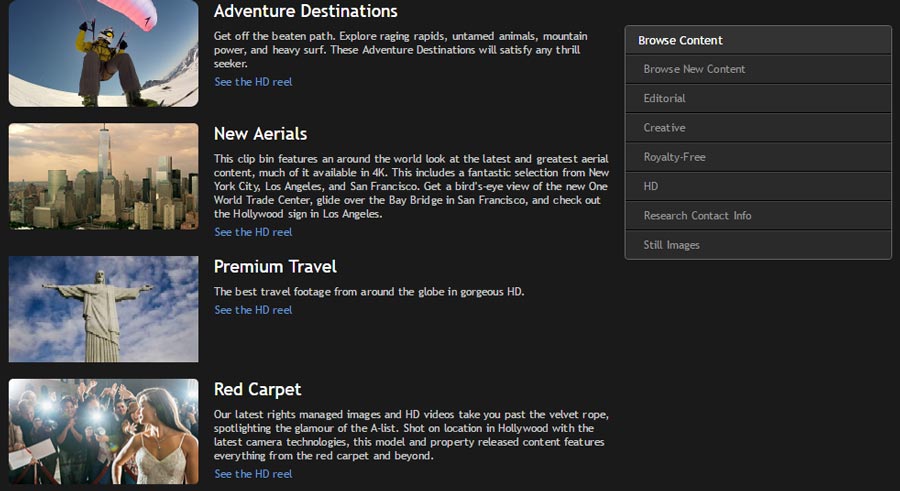

Since May 2, 2016, Corbis Motion is no longer accessible to its members, read more. Thus, they are all invited to enjoy the expanded benefits at Getty Images instead. Why is Corbis shutting down? Well, the stock site is not really shutting down. It has only found a new home for its content. All significant stock footages, images and other assets are migrated to Getty. The transition was completed during the summer. If you are looking for Corbis content, you should visit GI from now on.

corbis-motion

You will no longer have access to your Corbis account, nor will you have access to your previous Corbis activities on Getty Images. If you are a GI user, you should use your account to browse through stock footages, images and other assets. If you do not have a Getty account, no worries. Corbis automatically created an account at Getty for you, using your Corbis account email address. Of course, you need to request your new password to ensure security.

Not all Corbis content will be migrated to Getty Images. Only the most popular Corbis Motion, Corbis Images, and Veer assets will be available at GI’s collection. Many of the stock media agency’s partners will also be available as separate collections. So now, you can access BBC Motion, Walt Disney, National Geographic and other media companies at Getty. Because of this, you will be using GI’s buying options to purchase and download Corbis content, too.

Now, Getty Images has over 200 million content in its library. Aside from the more comprehensive and diverse collection, it will now be easier and faster for you to find the stock footage you need. You can use Ultrapacks to get discounts on bulk purchases or buy a stock footage a la carte, whichever fits your creative needs and budget. To find Corbis content in the stock site, check out this collections:

  • Bettmann
  • Contour
  • Contour Style
  • Corbis Entertainment
  • Corbis Historical
  • Corbis News
  • Corbis Premium Historical
  • Corbis Sports
  • Sygma
  • Sygma Premium
  • Corbis
  • Corbis Documentary
  • Corbis Video

What can you get from Corbis Motion and Getty Images stock footage merger? Well, you can get plenty of benefits. You will have a more complete and unprecedented offering, the convenience of having all the highest quality content in one place, and getting Corbis content with pricing that fits all budget levels. That’s right! Thanks to Getty’s Ultrapacks and coupon codes, you can now purchase and download Corbis content without going beyond your budget.

9 Useful Tips to Find the Best Cheap Stock Photos

Are you looking for cheap stock photos for your creative projects? You may have already read a number of articles giving tips on how to find the best stock photos in the market. These tips are surely helpful, too – especially if you are a novice in the industry. Nevertheless, we are still giving you nine useful tips to find the perfect stock photos for your creative needs. We hope that these simple and straightforward tips help you strengthen your brand.

thinking

  1. Think about keywords. Start with a few simple words that answer the question when, where and what to find the perfect cheap stock photos in any stock media agency’s library.
  2. Dig deeper into page results. Search images on pages three to seven rather than using what you immediate find on page one to avoid cheap stock photos that have been overused. You might also find unique stock photos down the deepest page results.
  3. Add keywords to find the perfect photos for your brand. You can use these keywords to look for a specific emotion, filter, style, or perspective.
  4. Before you download any image from your chosen stock photo site, check out the caption first. Hover through the thumbnail to find out what keywords are related to the image. This will help you refine your searches.
  5. Consider the recommendation of stock sites. Some stock photo sites recommend similar ages to your searches. When you click on the photo you like, you will also find other related or suggested cheap stock photos from these stock photo sites. Check them out. Who knows, you might like what you they suggest.
  6. Remove a word from your keywords to widen your options. If you are searching cheap stock photos using a phrase, cut a word or two to widen your search. Being specific can limit your options sometimes.
  7. Sort by date. You can find recently uploaded cheap stock photos if you sorting them by new. Some stock sites allow you to sort your search according to date of upload.
  8. Use advanced search tools. Some stock photo sites have advanced search tools that allow you to refine your search. These tools allow you to search by color, category, orientation, type and many others. You can even refine your search to include people, their age and gender.
  9. Make use of a keyword suggestion tool to choose the most relevant keyword for your brand. Not all stock photo sites have these feature. But if what you subscribed into have it, use it to find the perfect cheap stock photos for your brand.

We hope that these simple but straightforward tips may help you find what you are looking for. Whether you are a novice or professional in the creative industry, you will surely benefit from these tips.