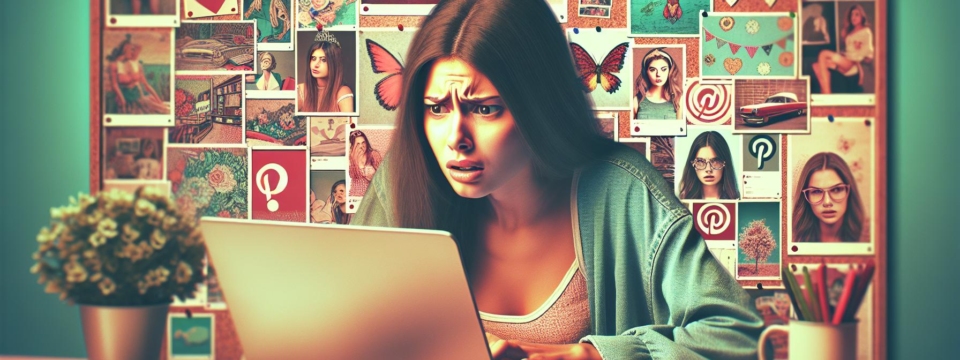
Nonprofit organizations rely heavily on compelling visuals to communicate their mission, engage supporters, and drive donations. However, limited budgets often make it challenging to consistently access high-quality imagery and video. Stock photo subscription services offer a practical and affordable solution, enabling nonprofits to maintain professional visual standards without overspending.
Why Visual Content Matters for Nonprofits
In the digital age, storytelling is at the heart of nonprofit success. Whether it’s a fundraising campaign, social media post, or annual report, visuals help convey emotion and authenticity. Strong imagery can significantly improve engagement rates, making it easier to connect with donors, volunteers, and stakeholders.
Without access to professional visuals, nonprofits risk appearing less credible or failing to capture attention in crowded online spaces. This is where stock photo subscriptions become invaluable.
What Are Stock Photo Subscriptions?
Stock photo subscriptions provide access to a large library of images, illustrations, and videos for a fixed monthly or annual fee. Instead of paying per download, organizations can download multiple assets within their plan limits, making it easier to plan and execute campaigns.
Many platforms, including Shutterstock and iStock, offer flexible subscription tiers that cater to different usage levels. These services often include not just photos but also vector graphics and Cheap Stock Footage, allowing nonprofits to diversify their content strategy.
Benefits for Nonprofit Organizations
One of the most significant advantages is cost efficiency. Subscriptions reduce the per-asset cost, making it easier for nonprofits to access premium-quality visuals within tight budgets. Some providers even offer special discounts or programs specifically designed for nonprofit organizations.
Consistency is another key benefit. With access to a unified library, nonprofits can maintain a cohesive visual identity across all communication channels. This consistency strengthens brand recognition and builds trust with audiences.
Additionally, subscriptions save time. Instead of searching for free images with unclear licensing, teams can quickly find and download assets with clear usage rights. This allows staff to focus more on mission-driven activities rather than content sourcing.
Choosing the Right Subscription Plan
Selecting the right stock photo subscription depends on the organization’s size, content needs, and budget. Smaller nonprofits may benefit from basic plans with limited downloads, while larger organizations or those running frequent campaigns may require higher-tier subscriptions.
It’s also important to review licensing terms carefully. Ensure that the plan covers intended uses such as social media, print materials, and advertising. Some platforms offer extended licenses for broader usage, which may be necessary for larger campaigns.
Best Practices for Using Stock Media
To maximize the value of a subscription, nonprofits should prioritize authenticity. Choose images that reflect real-life scenarios and align with the organization’s mission. Avoid overly staged or generic visuals that may feel disconnected from your audience.
Customization is equally important. Adding branded elements, such as logos or color overlays, can help tailor stock images to fit your organization’s identity. This creates a more personalized and impactful presentation.
It’s also beneficial to organize downloaded assets into a centralized library. This ensures that team members can easily access and reuse visuals, improving efficiency across projects.
Conclusion
Stock photo subscriptions provide nonprofit organizations with an accessible way to elevate their visual storytelling. By offering affordable access to high-quality images and Cheap Stock Footage, these services empower nonprofits to communicate more effectively and expand their reach. With the right strategy and tools in place, even organizations with limited resources can create compelling, professional content that drives meaningful engagement and support.
Pinterest, the popular visual discovery platform, relies heavily on images to engage users. However, it’s not uncommon for users to encounter issues with images not displaying properly. This can be frustrating, especially when browsing through boards or searching for inspiration.
There are several reasons why Pinterest might not be showing images as expected. From network connectivity problems to browser cache issues, the root cause can vary. Understanding these potential factors is crucial for troubleshooting and resolving the problem efficiently. By exploring common culprits and implementing targeted solutions, users can restore their Pinterest experience to its full visual glory.
Key Takeaways
Network issues, browser cache problems, and outdated apps are common reasons for Pinterest not showing images
Clearing browser cache and cookies can often resolve image display issues on desktop
Mobile users should keep the Pinterest app updated and check widget settings to troubleshoot image problems
Pinterest debug tools can help identify technical issues affecting image display
Optimizing image formats, sizes, and adhering to Pinterest’s guidelines improve overall image visibility
Understanding Pinterest Image Display Issues
Pinterest image display issues can stem from various factors, affecting users’ ability to view and interact with content on the platform. Understanding these issues is crucial for troubleshooting and resolving problems effectively.
Common Causes of Images Not Showing
Several reasons can contribute to images not displaying on Pinterest:
Network connectivity problems: Slow or unstable internet connections often prevent images from loading properly.
Browser cache and cookies: Outdated or corrupted browser data can interfere with image display.
Outdated app or browser: Using an older version of the Pinterest app or web browser may cause compatibility issues.
Image format incompatibility: Some image formats may not be supported by Pinterest, leading to display problems.
Content blocking: Firewalls or content filters can sometimes prevent images from loading on certain networks.
Lazy loading implementation: Websites using lazy loading techniques may not properly trigger image loading for Pinterest.
Incorrect image attributes: Improperly configured image tags or missing metadata can hinder Pinterest’s ability to display images.
Understanding these common causes helps users identify and address the root of their Pinterest image display issues more effectively.
Troubleshooting Steps for Desktop Users
For desktop users experiencing issues with Pinterest not showing images, several troubleshooting steps can help resolve the problem. These steps focus on common causes and provide practical solutions to get images displaying correctly again.
Clearing Browser Cache and Cookies
Clearing browser cache and cookies often resolves image display issues on Pinterest. Users should:
Open their browser settings
Navigate to the privacy or history section
Select the option to clear browsing data
Choose to clear cache and cookies
Specify the time range (preferably “All time”)
Click “Clear data” or equivalent button
After clearing cache and cookies, users should restart their browser and revisit Pinterest to check if images are now displaying correctly.
Checking Image Implementation
Proper image implementation is crucial for Pinterest to display images correctly. Users can:
Right-click on an empty image area and select “Inspect” or “Inspect Element”
Look for the image tag (
) in the HTML code
Verify the “src” attribute contains a valid image URL
Check for any error messages in the browser’s console
If the image URL is invalid or returns an error, users should report the issue to Pinterest support. Additionally, they can try accessing Pinterest from a different browser to determine if the problem is browser-specific.
Mobile App Troubleshooting
Mobile users experiencing issues with Pinterest not showing images can often resolve the problem through app-specific solutions. These troubleshooting steps focus on updating the app and addressing widget display problems.
Updating the Pinterest App
Keeping the Pinterest app up-to-date is crucial for optimal performance and image display. Here’s how to update the app on different mobile platforms:
For Android:
Open the Google Play Store app
Tap the menu icon and go to “My apps & games”
Find Pinterest in the list and tap “Update” if available
For iOS:
Open the App Store
Tap the profile icon at the top of the screen
Scroll to see pending updates and release notes
Tap “Update” next to Pinterest if an update is available
If updating doesn’t resolve the issue, uninstalling and reinstalling the app can provide a fresh start:
On Android:
Go to Settings, then Apps
Find Pinterest and tap “Uninstall”
Return to the Google Play Store to download and install it again
On iOS:
Press and hold the Pinterest app icon
Tap “Delete App” and confirm
Visit the App Store to download a fresh copy of Pinterest
Resolving Widget Display Problems
If Pinterest widgets on your mobile device aren’t displaying images correctly:
Ensure your device has a stable internet connection
Check if the widget is up-to-date by removing and re-adding it
Verify that your Pinterest account is properly linked to the widget
Clear the app’s cache through your device’s settings
Make sure your device’s operating system is current
By following these mobile-specific troubleshooting steps, users can often resolve issues with Pinterest not showing images on their smartphones or tablets.
Technical Solutions
For users wondering “why is my Pinterest not showing images,” there are advanced technical solutions available. These methods can help diagnose and resolve more complex issues affecting image display on Pinterest.
Using Pinterest Debug Tools
Pinterest offers debug tools that can help identify and resolve image display issues. These tools provide insights into how Pinterest sees and processes content from a specific URL. To use the debug tools:
Visit the Pinterest Developer Tools page
Enter the URL of the page with missing images
Click “Debug” to run the analysis
Review the results for any errors or warnings related to image processing
The debug report highlights potential issues with image metadata, pin descriptions, or other technical factors that may prevent images from displaying correctly on Pinterest.
Addressing Rate Limiting and Traffic Drops
Rate limiting and sudden traffic drops can sometimes cause images to stop displaying on Pinterest. To address these issues:
Monitor your Pinterest analytics for sudden changes in traffic
Check if you’re experiencing API rate limits (for business accounts)
Ensure your website can handle increased traffic from Pinterest
Implement caching mechanisms to reduce server load
Use a content delivery network (CDN) to improve image loading speeds
If rate limiting is detected, consider spreading out your pinning activity or upgrading to a business account for higher limits. For traffic drops, analyze your content strategy and ensure you’re consistently sharing high-quality, relevant images that align with Pinterest’s best practices.
Best Practices for Image Visibility
Ensuring your images are visible on Pinterest is crucial for maximizing engagement and reaching your target audience. Implementing best practices for image optimization and adhering to Pinterest’s guidelines can help resolve issues related to “why is my Pinterest not showing images” and improve overall visibility.
Optimizing Image Formats and Sizes
To enhance image visibility on Pinterest, users should focus on optimizing image formats and sizes. Pinterest recommends using high-quality, vertical images with a 2:3 aspect ratio (e.g., 1000 x 1500 pixels) for optimal display across devices. JPEG and PNG formats are preferred, with file sizes kept under 20MB. Utilizing descriptive, keyword-rich file names and alt text can also improve image discoverability and accessibility.
Adhering to Pinterest’s Guidelines
Following Pinterest’s content guidelines is essential for maintaining image visibility and avoiding potential issues. Users should ensure their content is original, authentic, and doesn’t violate copyright or trademark laws. Pinterest prohibits explicit or adult content, hate speech, and misleading information. Regularly reviewing and updating boards to remove any content that may violate these guidelines can help prevent image display problems and account restrictions.
When to Contact Pinterest Support
While many issues with Pinterest not showing images can be resolved through troubleshooting steps, there are instances when contacting Pinterest support becomes necessary. Users should reach out to Pinterest’s support team in the following situations:
Persistent image display problems: If images consistently fail to load after trying all recommended troubleshooting steps, it’s time to seek professional assistance.
Account-specific issues: When the problem appears to be isolated to a particular account rather than a device or network.
Suspected technical glitches: If users notice widespread issues affecting multiple accounts or devices, it may indicate a platform-wide problem.
Copyright infringement concerns: Users who discover their content being used without permission should contact support to report the violation.
Account suspension or restrictions: If an account is unexpectedly suspended or experiences limitations, contacting support can help resolve the issue.
To effectively communicate with Pinterest support:
Use the contact forms on Pinterest’s Help Center for specific issues
Provide clear, concise descriptions of the problem, including steps taken to troubleshoot
Include relevant details such as account information, device type, and operating system
Attach screenshots or error messages to illustrate the issue
By contacting Pinterest support in these situations, users can address complex problems and ensure a smoother experience on the platform. Prompt communication with the support team can lead to quicker resolution of issues related to Pinterest not showing images, allowing users to fully enjoy the visual discovery platform.
Conclusion
Resolving image display issues on Pinterest requires a systematic approach. By understanding common causes and following troubleshooting steps users can often restore their visual experience on the platform. For persistent problems advanced techniques and best practices can further enhance image visibility.
Keeping apps and browsers updated clearing caches and optimizing image formats are crucial steps. When issues persist contacting Pinterest support with clear descriptions and relevant details can lead to effective solutions. With these strategies users can overcome image display challenges and fully enjoy Pinterest’s visual discovery experience.
Royalty free is a type of license granted to a copyrighted, patented or trademarked materials. This type of license is commonly used on obtaining rights f or photography and illustration industry. It is widely used by stock photography agencies to sell images.
This license type does not mean that it is free and does not cost a cent. Royalty free license requires a one time license fee and that the use of the material is free from future additional payment for to the copyright holder every time the material is used. Upon the settlement of the license fee, the material can be used for as many times and for as long as the user likes, provided that it goes by the terms and conditions agreed between the agency and the user. The use of royalty free images means to duplicate, copy, distribute, reproduce, modify, edit, synchronize, display and published.
The following are the main features of royalty free images:
Perpetual – the use of the image does not have an expiration date and the buyer can use the image for as long as he needs to. That is why royalty free is also called as licensing image for perpetuity, meaning it is valid for a very long time.
Worldwide – the image can be used in any part of the world, without geographic limitation.
Unlimited – this means that the image can be used for an unlimited number of times
Any and all media form – Royalty free allows any form of media, may it be in print, in digital or in any form of media.
Non-exclusive – Royalty free images are distributed widely. Since it is available to many buyers, it is generally less expensive and chances are there are more than one users or buyers that are also using the same image.
With royalty free, you can use the images in any project for as long as you like. Understand its features and determine if this is the best option for you.